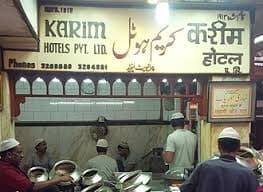
Karim's
Jama Masjid's 112-year Mughlai dynasty — where Old Delhi's royal kitchen still cooks
Haji Karimuddin (descendant of Mughal court cooks)
Founder · Est. 1913 · Jama Masjid, Old Delhi, Delhi NCR
Karim's was established in 1913 in a narrow lane near Jama Masjid by Haji Karimuddin, a descendant of cooks who had served in the kitchens of the Mughal court. When the Mughal dynasty ended, the recipes did not — Karimuddin took them from the Red Fort to the gullies of Old Delhi and opened a restaurant that would serve Mughal cuisine to anyone who could find it.
Over 112 years, Karim's has maintained its position as India's most recognised Mughlai restaurant. The preparations — mutton burra, chicken jahangiri, aloo gosht, and the seekh kebabs grilled on open coals at the restaurant's entrance — are prepared from recipes that the family traces to the Mughal period. The kitchen operates continuously from early morning to midnight, producing food at a scale that is industrial in volume but artisanal in method.
The lane behind Jama Masjid — accessed through a narrow opening in the wall of shops — is the journey. The grill at the entrance is the announcement. The dining room, with its plastic chairs and fluorescent lights, is not designed for aesthetics; it exists because the food requires a place to be consumed.

“These recipes came from the Mughal court. We brought them to the street. The street has kept them alive for a hundred years.”
What Defines Karim's
The Experience
You enter through a narrow lane behind Jama Masjid. The grill is at the entrance — coal smoke, the smell of meat, and the sound of skewers turning. The dining room is functional: plastic chairs, shared tables, fast service. The noise is the noise of Old Delhi — rickshaws, vendors, the mosque. The food is transcendent. The setting is democratic.
Rated & Reviewed By
Condé Nast Traveller India · New York Times · Lonely Planet India · Zomato 4.1★ · BBC Travel
Editorial Notes
- Karim's has been profiled by The New York Times, BBC, CNN, and virtually every international food publication — it is Old Delhi's most documented restaurant.
- The lane behind Jama Masjid is narrow and crowded; the journey is part of the experience.
- The breakfast service (7:00–10:00 AM) — nahari and naan — is a distinct experience from lunch and dinner.
- Mandatory curriculum reference for hospitality students studying Mughlai cuisine, heritage restaurants, and the Mughal culinary legacy.
Getting There
Nearest Metro: Jama Masjid (Violet Line, 5-minute walk through Old Delhi lanes). By road: Gali Kababian, near Gate 1 of Jama Masjid. Follow the lane behind the mosque.