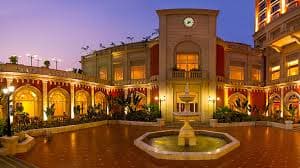
ITC Grand Central
Parel's grand luxury flagship — where ITC Hotels brought heritage dining to Mumbai's mill district
ITC Hotels (ITC Limited)
Founder · Est. 2009 · Lower Parel, Mumbai
ITC Grand Central opened in 2009 in Lower Parel — the former textile mill district that was transforming into Mumbai's corporate and cultural hub. The hotel brought ITC Hotels' flagship programmes to Mumbai: Dum Pukht (the slow-cooked Awadhi cuisine restaurant), Kebabs & Kurries (the tandoori and Mughlai concepts), and the culinary heritage that ITC had established through properties like the ITC Maurya in Delhi.
Lower Parel's transformation from industrial to commercial provided the location context: the hotel rose among converted mills, corporate towers, and the Phoenix Mills retail complex, serving both the business traveller and the city's dining public. The restaurant portfolio — each with its own kitchen and identity — operated as independent dining destinations within the hotel framework.
ITC Hotels' commitment to culinary programmes distinguishes the brand: the master chefs, the recipe archives, and the ingredient sourcing operate at a level that treats hotel dining as a culinary discipline rather than a hospitality amenity.
“ITC Hotels do not have restaurants. They have culinary institutions that happen to be located inside hotels.”
What Defines ITC Grand Central
The Experience
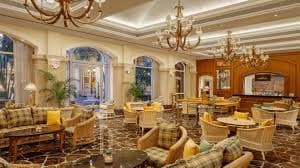
The hotel's public spaces are designed with the ITC aesthetic: warm wood, heritage motifs, and the quiet confidence of a brand that treats hospitality as cultural production. The dining experiences are individually programmed — each restaurant has its own identity, kitchen team, and service culture.
Rated & Reviewed By
Condé Nast Traveller India · Forbes Travel Guide · Outlook Traveller
Editorial Notes
- ITC Hotels' culinary programmes are among the most significant in Indian hospitality — the chef development and recipe archival is documented.
- Lower Parel's transformation provides the urban development context for the hotel's positioning.
- The Dum Pukht restaurant concept — established at ITC Maurya and replicated across ITC properties — is a hospitality case study.
- Recommended for hospitality students studying hotel F&B excellence and sustainability in luxury hospitality.
Getting There
Nearest railway station: Lower Parel (Western Line, 5-minute walk). By road: Dr. Babasaheb Ambedkar Road, Parel.